
Rehab for Veterans in Palm Beach, Florida
Veterans Rehab for Substance Use and Co-Occurring Mental Health Conditions Near West Palm Beach, FL
Military service can continue to affect physical health, mental health, sleep, relationships, and the transition to civilian life long after someone leaves active duty. Our rehab for veterans provides outpatient addiction treatment with clinical assessment and care for PTSD, depression, anxiety, and other co-occurring mental health conditions when they are present.
Rehab for Veterans Near West Palm Beach, Florida
Military service can involve combat exposure, repeated deployments, physical injuries, military sexual trauma, loss, disrupted sleep, and challenges adjusting to civilian life. These experiences may increase vulnerability to substance use and mental health issues, but every veteran’s circumstances are different. Some veterans use alcohol or drugs to manage pain, sleep problems, stress, or symptoms of trauma, while others develop a substance use disorder for different reasons.
Rehab for veterans at Palm Beach Gardens Recovery addresses addiction while evaluating and treating co-occurring mental health conditions when they are present. We provide a continuum of outpatient care, so veterans live at home or in our gender-specific sober living housing while attending the program. Our clinicians are experienced in treating veterans, veteran-only group sessions are available, and Palm Beach Gardens Recovery is in-network with TRICARE.
What Is Rehab for Veterans?
Rehab for veterans is addiction treatment that considers how military service, physical health, mental health, family responsibilities, and the transition to civilian life may affect recovery. It combines evidence-based treatment for drug and alcohol addiction with assessment and therapy for post-traumatic stress disorder (PTSD), depression, anxiety, and other mental health disorders when they occur alongside a substance use disorder.
Personalized treatment plans account for military history as part of the clinical picture rather than assuming every veteran has the same experience. Research on substance use disorders in military veterans supports the use of behavioral therapies that address the thoughts, behaviors, triggers, and coping patterns associated with craving, substance use, and relapse. A veteran addiction treatment center applies those methods while considering the individual’s service history, current responsibilities, and treatment goals.
How Does Rehab for Veterans Work?
Rehab for veterans works by assessing your substance use, mental health, physical health, recovery environment, and current responsibilities before recommending an appropriate level of care. Before treatment begins, our medical director and clinical leadership review your drinking or drug use, mental health issues, withdrawal risk, and ability to remain stable outside treatment hours.
This intake assessment follows the ASAM Criteria, a clinical framework used to evaluate a person’s needs and help determine whether outpatient treatment is appropriate and which level of care may provide the right amount of structure. Your preferences, support system, barriers to treatment, and ability to participate in the recommended treatment program are also considered when determining where you begin.
Treatment is available through three outpatient levels of care. Our partial hospitalization program (PHP) provides the most structure at 30 hours per week. Our intensive outpatient program (IOP) provides 15 hours per week across 5 days, and our outpatient program (OP) provides 1 to 3 hours weekly. Veterans are reassessed throughout treatment and may move to a different level of care as their clinical needs change.
Housing is available for veterans who need a stable, substance-free place to stay during treatment. Our male and female sober living residences may be appropriate for veterans without stable housing, those whose current environment could interfere with recovery, or those who live too far away to commute regularly.
What Are the Signs a Veteran Needs Rehab?
A veteran may need rehab when alcohol or drug use has become difficult to control or is affecting health, relationships, work, safety, or daily responsibilities. Signs can include needing more of a substance to achieve the same effect, experiencing withdrawal symptoms, trying unsuccessfully to reduce use, using to sleep or manage distress, or continuing to drink or use despite harmful consequences.
Other concerns may include withdrawing from family or friends, increased anger or irritability, avoiding reminders of military service, using alcohol or drugs after intrusive memories or nightmares, or taking prescription pain or anxiety medication differently than directed. These signs do not necessarily mean that someone has PTSD, but they may indicate that substance use and mental health should be evaluated together.
If any of these concerns are familiar, a clinical assessment can help determine whether treatment is appropriate and which level of care may fit your needs. Completing an assessment does not obligate you to enter treatment.
How Are PTSD and Addiction Connected in Veterans?
PTSD and addiction can become connected when alcohol or drugs are used to manage symptoms such as hypervigilance, nightmares, intrusive memories, anxiety, emotional numbing, or difficulty sleeping. Substance use may provide temporary relief for some people, but it can also worsen sleep, mood, physical health, relationships, and the ability to manage PTSD symptoms over time.
Not every veteran with a substance use disorder has PTSD, and trauma is not the cause of every addiction. When both conditions are present, however, treating substance use without addressing PTSD may leave important symptoms and triggers unresolved. The U.S. Department of Veterans Affairs National Center for PTSD recommends offering evidence-based treatment for both disorders rather than requiring one condition to be resolved before treatment for the other begins.
PTSD Treatment for Veterans
PTSD treatment for veterans addresses symptoms such as intrusive memories, nightmares, hypervigilance, avoidance, anxiety, and difficulty sleeping when they occur alongside a substance use disorder. Treatment also considers whether these symptoms contribute to substance use, increase cravings, or make it harder to maintain progress in recovery.
Before trauma-focused therapy is included, the clinical team evaluates your symptoms, current stability, treatment goals, and ability to manage distress safely during and outside of sessions. This helps determine which therapies are appropriate and when they should become part of your individualized treatment plan.
Veterans PTSD treatment at Palm Beach Gardens Recovery addresses addiction and co-occurring PTSD together when both are affecting your health and recovery. Your treatment plan may include therapies that help you understand trauma responses, manage symptoms, reduce the risk of returning to substance use, and build healthier ways to respond to distress. The specific therapies and timing depend on your clinical needs rather than using the same treatment plan for every veteran with PTSD.
Trauma-Focused Therapy
Trauma therapy for veterans addresses traumatic experiences and the ways those experiences may continue to affect thoughts, emotions, physical reactions, relationships, sleep, and substance use. Treatment begins by establishing safety, coping skills, and clinical readiness before more direct trauma processing occurs.
The pace and methods used are guided by your clinical needs, treatment goals, readiness, and response to therapy. The purpose is to reduce trauma-related distress and improve daily functioning without requiring you to discuss difficult experiences before you are clinically prepared.
Dual Diagnosis Treatment
Dual diagnosis treatment for veterans addresses a substance use disorder and a co-occurring mental health condition within the same coordinated treatment plan. Conditions may include PTSD, depression, anxiety, or other mental health disorders. A traumatic brain injury may also affect symptoms and treatment needs, but it requires appropriate medical evaluation and is not itself classified as a mental health disorder.
Dual diagnosis treatment for veterans at Palm Beach Gardens Recovery evaluates how substance use and mental health symptoms may affect one another. Addressing both can reduce unresolved symptoms, improve treatment participation, and help the clinical team develop a more complete plan for addiction recovery.
What Therapies Does Veterans Rehab Offer?
Veterans rehab at Palm Beach Gardens Recovery offers cognitive behavioral therapy, dialectical behavior therapy, EMDR, individual therapy, group therapy, and family therapy. Your individualized treatment plan determines which therapies are clinically appropriate rather than placing every veteran in a fixed curriculum.
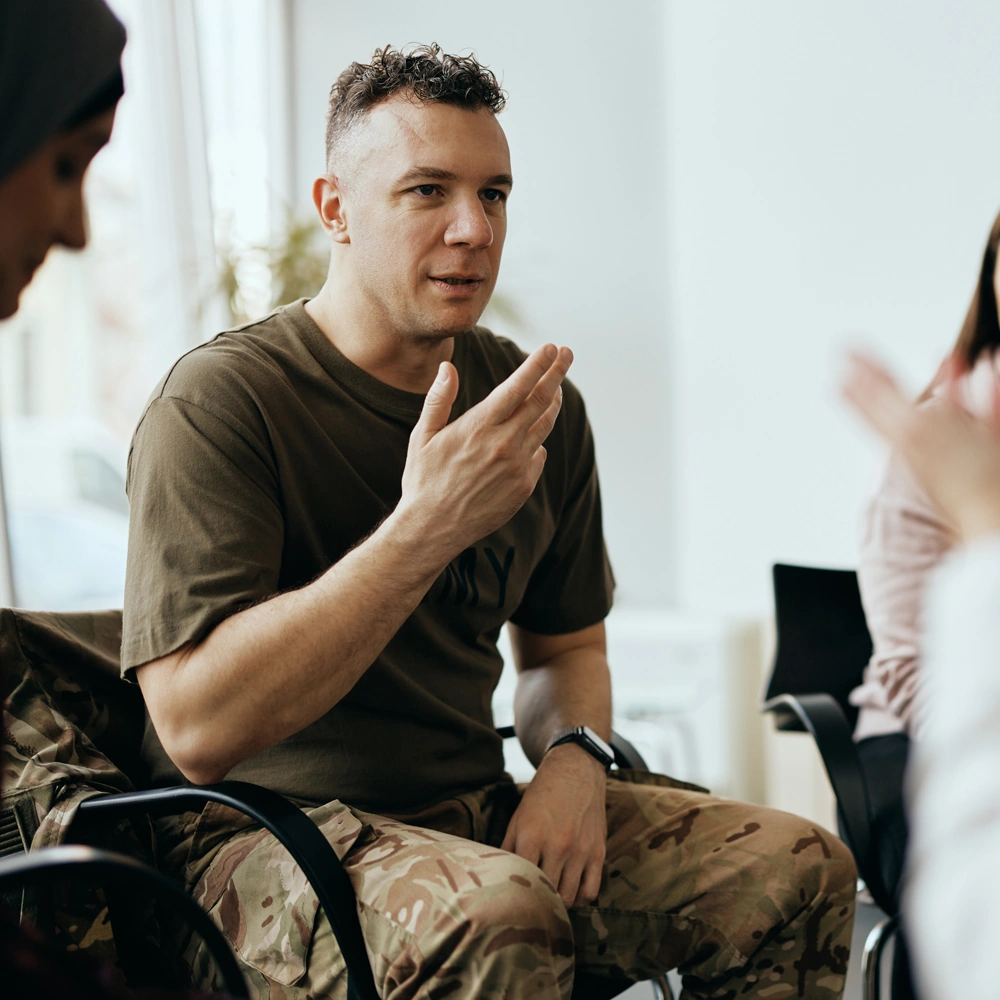
Veteran-only group sessions are available so participants can discuss substance use, military service, trauma, relationships, and the transition to civilian life with other veterans. Veterans may also attend general clinical groups based on their level of care and treatment needs.
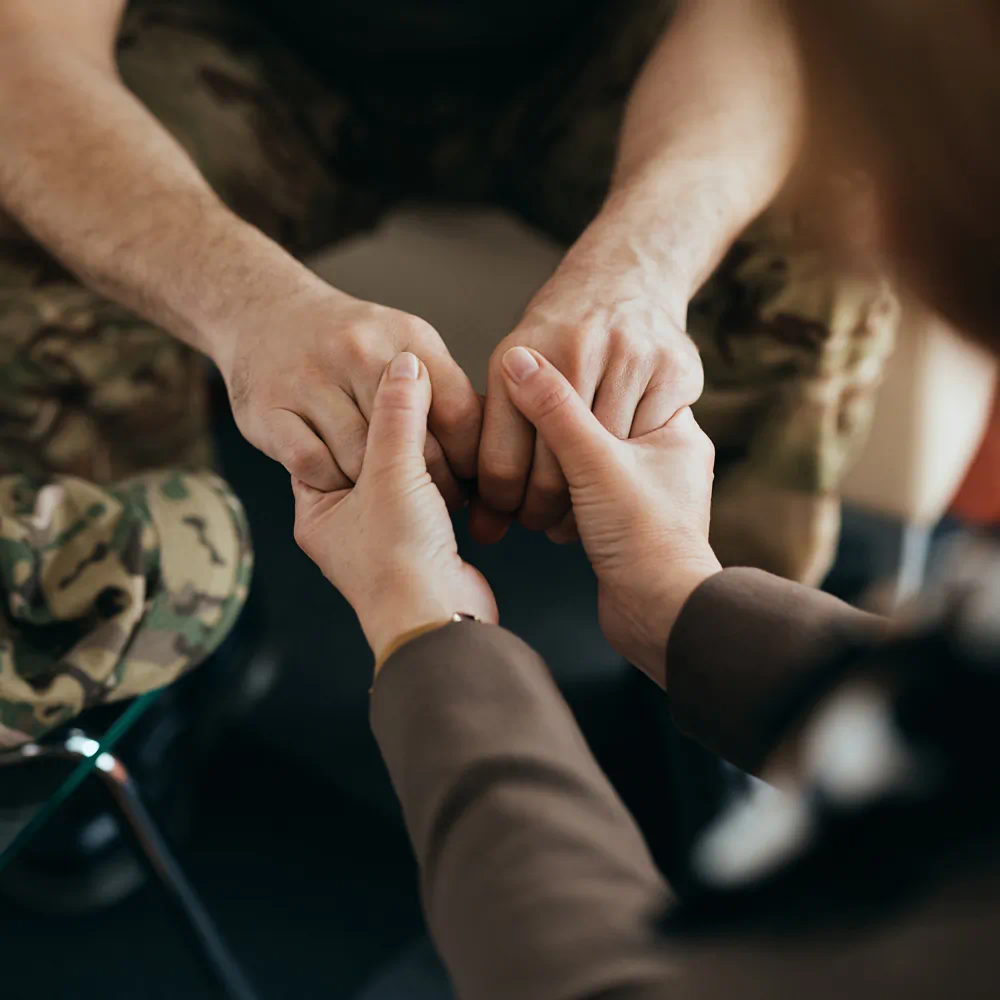
Cognitive Behavioral Therapy (CBT)
Cognitive behavioral therapy (CBT) helps identify thoughts, beliefs, situations, and behaviors associated with substance use, cravings, avoidance, and relapse. For veterans, these patterns may be related to military experiences, adjustment to civilian life, pain, sleep problems, relationships, or concerns about seeking treatment.
CBT does not assume that every harmful belief began during military service. Instead, it helps you evaluate whether particular thoughts and coping patterns are still useful and practice more effective responses. Cognitive behavioral therapy is an evidence-based treatment used in substance abuse treatment for veterans and other people with substance use disorders.
Dialectical Behavior Therapy (DBT)
Dialectical behavior therapy (DBT) teaches practical skills for managing intense emotions, tolerating distress, communicating effectively, and responding to cravings without acting impulsively. These skills may be useful for veterans experiencing anger, grief, anxiety, relationship conflict, emotional avoidance, or difficulty adjusting after military service.
DBT does not treat emotional control during service as inherently unhealthy. Instead, it helps identify when an established coping response is no longer effective in a person’s current environment and develop additional ways to manage distress.
EMDR Therapy for Veterans
Eye movement desensitization and reprocessing, commonly called EMDR, is a trauma-focused psychotherapy used to treat PTSD. During EMDR, a therapist guides the person through structured attention to a traumatic memory while using bilateral stimulation, such as guided eye movements.
EMDR therapy for veterans is used only when it is clinically appropriate and included in the individualized treatment plan. It may help reduce the distress associated with traumatic memories and does not generally require a detailed verbal description of every aspect of the traumatic event.
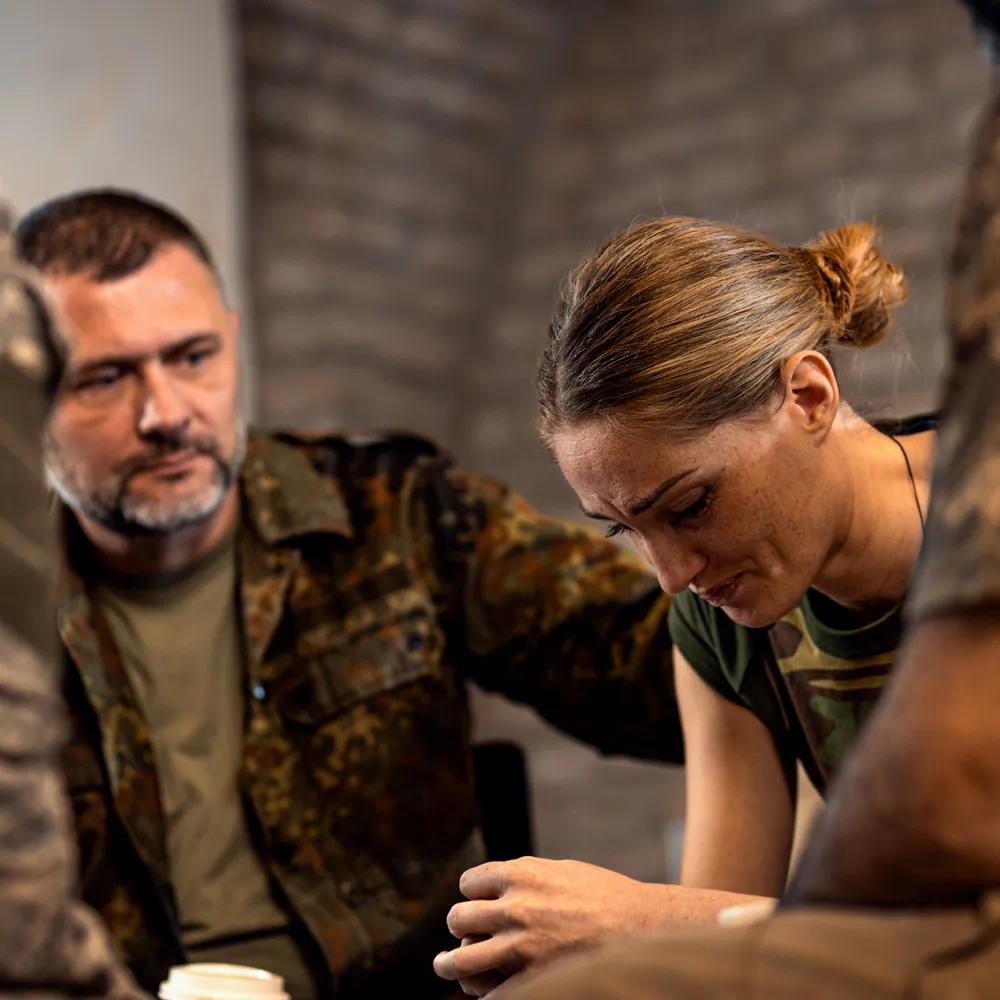
Does TRICARE Cover Rehab for Veterans?
TRICARE may cover substance use disorder treatment when the services are medically necessary, considered proven, and meet applicable plan requirements. TRICARE’s covered services may include outpatient treatment, partial hospitalization programs, intensive outpatient programs, medication-assisted treatment (MAT), mental health therapeutic services, and management of withdrawal symptoms.
Palm Beach Gardens Recovery is an in-network TRICARE provider. However, coverage, authorization requirements, cost-sharing, and eligibility depend on the person’s specific TRICARE plan and recommended level of care. Active-duty military members may also be subject to referral, authorization, or command-related requirements depending on their circumstances.
TRICARE serves eligible active-duty service members, retirees, and family members, but not every veteran is enrolled in TRICARE. Veterans who receive health care through the Department of Veterans Affairs (VA) may have different benefits and authorization requirements. Call Palm Beach Gardens Recovery so we can verify the coverage reported by your insurer before treatment begins.
Find the Right Path to Recovery After Military Service at Palm Beach Gardens Recovery
Military service shapes every person’s life differently, and recovery should be approached the same way. At Palm Beach Gardens Recovery, substance use treatment begins with understanding your service history, current challenges, and the factors affecting your recovery today. If PTSD, depression, anxiety, or another co-occurring mental health condition is present, it is evaluated as part of your individualized treatment plan rather than treated in isolation.
Veteran-only group sessions provide an opportunity to recover alongside other veterans who understand military culture and many of the challenges that can follow military service. Veterans who need a stable, substance-free place to stay during outpatient treatment may also be able to live in our gender-specific sober living residences.
Palm Beach Gardens Recovery is in-network with TRICARE and Cigna and accepts most major insurance plans. When you call, we can verify your insurance, explain what treatment may look like based on your situation, and determine whether PHP, IOP, or OP is the most appropriate level of care.
Frequently Asked Questions About Veterans Rehab Programs
How long is drug and alcohol rehab for veterans?
Drug and alcohol rehab for veterans commonly lasts 30 to 90 days, but the length depends on clinical needs, level of care, progress, and insurance coverage. Some veterans begin in partial hospitalization and transition to intensive outpatient and outpatient care, while others start at a less intensive level. Gender-specific sober living may be available for up to six months when housing support is appropriate.
Can veterans go to rehab outside the VA?
Yes, veterans can go to rehab outside the Department of Veterans Affairs (VA). Private rehab centers and other treatment facilities may provide addiction treatment for veterans, but payment depends on the person’s insurance, TRICARE eligibility, VA authorization, or self-pay arrangements. Palm Beach Gardens Recovery is an in-network TRICARE provider, but TRICARE enrollment and VA health care benefits are separate programs.
What is the most common addiction among veterans?
Alcohol use disorder is one of the most common substance use disorders among veterans. Veterans may also experience problems with prescription opioids, illicit opioids, stimulants, sedatives, cannabis, or nicotine. Because the substances and reasons for use vary, an assessment should evaluate each person’s drug and alcohol use rather than assume it follows a pattern associated with military service.
Can veterans get treatment for PTSD and addiction at the same time?
Yes, veterans can receive treatment for PTSD and addiction at the same time. Treating both conditions together is the recommended approach when they occur together, and having a substance use disorder should not prevent someone from receiving trauma-focused PTSD treatment. At Palm Beach Gardens Recovery, PTSD and substance use are addressed through a coordinated treatment plan based on the veteran’s symptoms, readiness, and clinical needs.
Our Levels of Care
Partial Hospitalization Program (PHP)
Our most structured outpatient program is for people who need full days of treatment while spending evenings at home or in sober living. Many clients begin PHP after detox, inpatient, or residential treatment when they need continued structure before returning to everyday life.
Intensive Outpatient Program (IOP)
Designed for people who need ongoing treatment while returning to work, school, or family responsibilities. IOP provides consistent clinical support without requiring full-day care.
Outpatient Program (OP)
The final step in our continuum, best suited for people stepping down from a higher level of care. OP helps you maintain progress with ongoing clinical support while living more independently.
Sober Living
Gender-specific recovery housing available at every level of care. Sober living provides added structure, community, and accountability for people who want a substance-free place to live while staying active in their recovery.
Find Palm Beach Gardens Recovery
Palm Beach Gardens Recovery is located at 860 U.S. Highway 1, Suite 110, North Palm Beach, FL 33408. To speak directly with our team, call (561) 716-9150.
West Palm Beach is 15 minutes away, and the facility is almost 3 miles from the coast
Singer Island and Downtown Palm Beach Gardens are each within about 3 miles
Palm Beach International Airport is around 13 miles away
I-95 is about 3 to 4 miles away, with access via Exit 77 at Northlake Boulevard and Exit 79 at PGA Boulevard
Complete our confidential insurance form to find out what your plan covers, at no cost or obligation to start treatment.
Call Palm Beach Gardens Recovery to speak directly with our team, discuss your needs, and understand your next step toward treatment.